Bergen low-floor articulated tram 210
OperationalLow-floor articulated trams from Bergen
Select vehicle number: 203, 204, 205, 208, 210, 212, and 213.
The history of the tram
Bergen Light Rail
Operational
: Delivered as Bergen low-floor articulated tram 210, manufacturer Stadlerrail Werk Pankow, type Variobahn.

4:35
Bergen Light Rail / Bybanen will continue (2013)Work on the third construction stage is well underway.
Bergen is growing. More and more people want to live between the seven mountains, and increasingly, they want to use what will serve as the backbone of Bergen's future urban development. City residents connect Bergen on the road to an even better city. Living in Bergen now offers an environmentally friendly, reliable, and accessible alternative transportation option for everyone who lives and works within walking distance of the line. Twenty years of planning have come to fruition, and the City's residents have achieved success. It will continue through the mountains and along the city with terraced houses. City residents have been riding the rails for nearly three years, from the city center to the second end and back, with 15 stops over a distance of less than a mile. Every weekday, there are currently 31,000 boardings, and the number is expected to grow. The light rail has become an integral part of daily life, making new urban areas more attractive. As Bergen develops, the city must be built densely, aiming for population growth without expanding into large, undeveloped areas. Many homes will be built along planned routes, and new district centers will serve as local gathering points. The new Bergen is being constructed in an area where public transportation coverage is expanding. Here, Ker Trinn 2 officially opened with celebrations on that day. Construction phase 2 opened in June 2013, with a new line extending from Nestun to Lagunen, featuring five new stops over 3.5 kilometers and orange carriages that transport you smoothly to a convenient public transport hub near the region's largest shopping center.
A bus terminal with an interchange hub was established here in 2016. It is an ambitious and complex project involving many parties. Over 7 kilometers of rails will be laid, and seven stops will connect the district through six tunnels. People will be transported to work, including in Kokstad and Sansli, and travelers will enjoy a comfortable trip from the airport to the city center. The final stop will be integrated into a new terminal building at Flesland, located at the Birkeland intersection, which will feature a bus terminal, bicycle parking, and a parking garage with space for 280 cars dedicated to public transport users. The construction of the light rail also involves restructuring infrastructure such as water and sewage systems. During this phase, the light rail lines will be extended and their capacity increased. You can expect to see new pedestrian and cycling paths along the route. The light rail is accessible, easy to walk on, predictable, and offers frequent departures. Passengers can rely on them arriving on time. Comfortable seats, minimal noise, and a lively yet pleasant atmosphere make for a good start to the workday. Step-free boarding ensures easy access for all users. Through large windows, passengers can enjoy views of the city and high-quality performing arts specifically designed for the route. The project has won numerous national and international awards, including the prestigious award for the world's best city rail project. The design of seats, carriages, graphic profile, and uniforms has given the light rail a cohesive and distinctive identity. We have successfully built a strong brand. City residents look forward to new districts and stops, which will bring more travelers and have positive ripple effects for neighbors and businesses along the line.By Hordaland fylkeskommune - .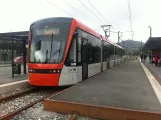

5:34
Tram & Trolleybus Bergen Norway • Bybanen (2016)Pictures of the tram in Bergen Norway (Stadtbahn or Bybanen i Bergen) and the trolleybus in June 2016. The tram in Bergen was opened on June 22, 2010 as a city railway and today has a route length of 13.4 km. The vehicles used are Variobahns from Stadler Rail. Further routes are planned, such as to Bergen Airport. There was already a tram here from 1897 to 1965. In addition to the normal bus service, Bergen also has the trolleybus and a funicular for public transport.
Enjoy watching!
——————————————
my YouTube channel: https://www.youtube.com/user/Barnim3040
my Instagram: https://www.instagram.com/barnimsven/By Barnim3040 - .