Blågårds Plads (Copenhagen)
There are 1 photos from Blågårds Plads (Copenhagen) on Tram Travels.
Københavns Sporveje (KS) stops
Åboulevard, Ålestrupvej/KB Hallen, Ålholm Plads, Axeltorv, Bispebjerg, Blågårds Plads, Blegdamsvej, Bodenhoffs Plads, Brønshøj, Christiansborg Slotsplads, City Hall Square, Degnemose Allé, Dyrehaven, Dyrskuepladsen Bellahøj, Emdrupvej, Femvejen, Formosavej, Frederiksberg Runddel, Frederiksholm Sydhavns Plads, Frederiksvej, Frihedsstøtten, Fuglebakken, Gammel Torv, Hans Knudsens Plads, Hellerup, Holmbladsgade, Hovedbanegård, Husum Torv, Kammasvej, Kongens Nytorv, Lille Vibenshus, Mozarts Plads, Ndr. Fasanvej, Nørre Farimagsgade, Nørrebro, Nørrebro Station, Nyelandsplads, Øresundsvej, Østerport Station, Polititorvet, Ryparken, Sjællandsgade, Slotskroen, Strandboulevarden, Studiestræde, Sundby, Sundby Hospital, Sundbyvester Plads, Svanemøllen, Taksigelseskirken, Toftegårds Plads, Trianglen, Trommesalen, Valby (Skellet), Vanløse, Vanløse, Ved Langebro, and Vibenshus Runddel.
Københavns Sporveje (KS) depot
Allégade, Århusgade, Enghavevej, Nørrebro Remise/Nørrebrohallen, Sporvejenes Hovedværksted, and The old Valby depot.
Photos and videos from Blågårds Plads (Copenhagen)
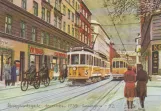 Postcard: Copenhagen tram line 3 with railcar 99 on Blågårds Plads (1939)By Henrik Boye, John Lundgren, Sporvejshistorisk Selskab (SHS).
December 1939.