Visiting the Melbourne Tram Museum (2026)
Museum: Melbourne Tram Museum.
YouTube name: Victorian Steam.
Date: .
City: Melbourne (Australia).
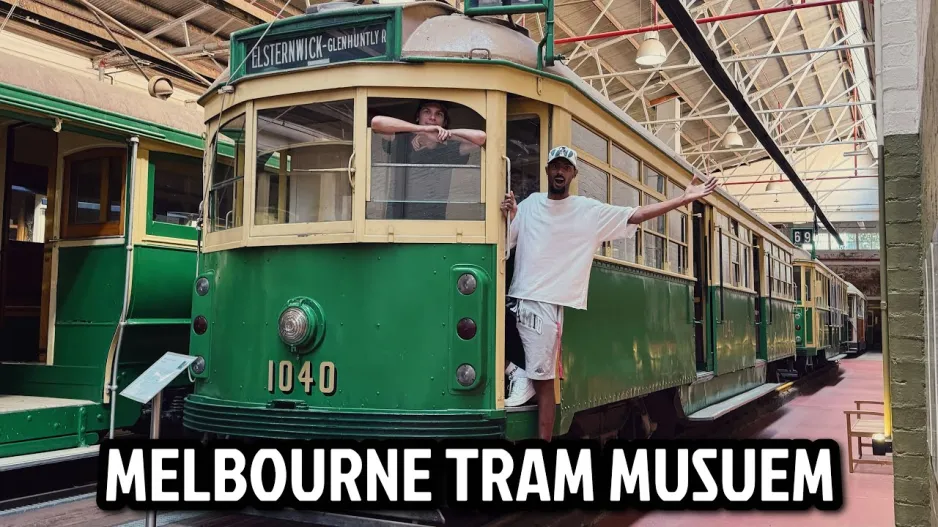
Melbourne Tram Museum
Open regularly
Today, we're visiting one of my personal favorite museums: the Melbourne Tram Museum in Hawthorn. We'll explore the exhibits and take a closer look at the museum's impressive collection of beautifully restored trams. So, let's check it out. Roll the intro!
Welcome to the Melbourne Tram Museum, a hidden gem celebrating Melbourne's remarkable tramway history. Located in Hawthorn's historic tram depot, the site dates back to the early 1900s, when it was a working depot helping to keep the city moving.
Today, passionate volunteers have transformed the depot into a museum, dedicating countless hours to preserving Melbourne's tramway heritage. Since opening to the public in the early 2000s, it has become a place where history isn't simply displayed—it's brought back to life.
Inside, you'll find an incredible variety of historic trams, each representing a different chapter in Melbourne's transport history. Early classics include the V-class two-truck tram, several iconic W-class trams that became Melbourne symbols, and later experimental and service vehicles that show how tram technology evolved over the decades.
And there's much more to explore beyond the trams themselves. You can see beautifully restored interiors, visit a training room that offers an insight into how tram crews worked, and discover displays packed with memorabilia and stories from the network's past. This isn't simply a lineup of old vehicles—it's a snapshot of Melbourne's tramway culture.
Melbourne's tram network began in the late 1800s, when cable trams started carrying passengers through the city. Electrification followed in the early 1900s, and as Melbourne expanded, operators introduced new tram classes to increase capacity and improve comfort and reliability.
Many of the trams preserved here once traveled through Melbourne's suburbs every day, carrying workers, families and commuters across the growing city. Preserving them allows future generations to experience how the city's public transport has evolved over more than a century.
One of the best things about the Melbourne Tram Museum is just how interactive it is. Unlike museums where historic vehicles are kept behind ropes or glass, here you're invited to step aboard almost every tram. You can walk through the interiors, sit where generations of passengers once sat, and get a close-up look at the craftsmanship involved in building and restoring these vehicles.
The trams are in incredible condition. The volunteers have done an amazing job of bringing them back to life.
And that's exactly why Oscar wanted us to visit this museum in the first place. The interaction you can have with the trams and exhibits makes the experience so special. You can walk through the vehicles, sit in the driver's seat, and get a genuine sense of what traveling—and working—on these trams must have been like.
Here at the front of the tram, we have what's known as the lifeguard. You could find devices like this on trams in many parts of the world. If someone or something fell onto the tracks in front of the tram, they could strike this mechanism, triggering the scoop underneath. The scoop would drop towards the rails and help prevent the person from being dragged beneath the tram. The mechanism could then be reset like this.
It's a fascinating example of the safety technology built into these historic vehicles.
This was such a fun day out, and the museum's hands-on nature is what makes it so special. Walking through the trams, sitting inside them, and exploring the exhibits gives you a much stronger connection to Melbourne's transport history than simply looking at the vehicles from a distance.
I'm really glad Oscar brought us here. We got to explore an amazing collection, learn a lot about Melbourne's tramway history, and have a fantastic day.
So, if you're interested in trams, transport history, or Melbourne itself, come down to the Melbourne Tram Museum and check it out for yourself.